Right now, cases of Norovirus — sometimes called the “stomach bug” — are increasing across the United States. Recent data shows a jump in positive tests over the past few months, indicating heightened virus activity and raising the risk of outbreaks. University of Nebraska Medical Center+2Good Morning America+2
Because norovirus spreads easily and can affect people of all ages, it’s a good time to review what you should know — and what you can do — to protect yourself, your family, and your community.
📊 What’s Happening: Norovirus by the Numbers
-
Norovirus is the leading cause of acute gastroenteritis (vomiting and diarrhea) and foodborne illness in the U.S. CDC+1
-
On average each year, norovirus causes about 19 – 21 million illnesses, 109,000 hospitalizations, and 465,000 emergency-department visits. CDC
-
According to recent CDC surveillance data, outbreak reports for the 2024–2025 season already exceed typical levels — a clear sign that this season could be more severe than usual. CDC+1
-
The virus is especially active between November and April, when close indoor contact and shared surfaces make spread easier. CDC+1

🤢 What to Watch For: Symptoms of Norovirus
Common symptoms appear 12–48 hours after exposure, and may include:
-
Nausea and stomach pain
-
Sudden, frequent vomiting
-
Watery diarrhea
-
Low-grade fever, body aches, or fatigue
Symptoms typically last 1–3 days, but the virus is highly contagious — sometimes even before symptoms start and for days after recovery. The Independent+1
People at higher risk for severe illness include older adults (65+), very young children, and people with weakened immune systems. CDC+1
🧼 How Norovirus Spreads — And Why It’s So Contagious
-
Norovirus spreads easily through direct contact with an infected person (touching, caring for them) or through contaminated food, water, surfaces, or utensils. The Independent+1
-
It takes only a tiny number of virus particles — as few as 10 — to infect a person. Healthline+1
-
Outbreaks often occur in close-contact communal settings such as long-term care facilities, hospitals, restaurants, schools, cruise ships, and communal living. CDC+1
Because of how contagious it is, prevention depends heavily on hygiene, sanitation, and awareness.
✅ How to Protect Yourself and Loved Ones: Preventive Actions
1. Practice Proper Hand Hygiene
Wash hands thoroughly with soap and water — especially after using the bathroom, changing diapers, before eating, and after caring for someone sick. Handwashing is more effective than alcohol-based sanitizers against norovirus.
2. Clean & Disinfect Surfaces Regularly
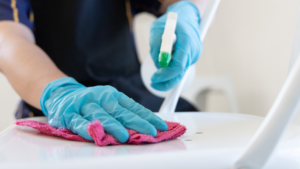
Use bleach-based disinfectants for cleaning kitchens, bathrooms, doorknobs, counters, shared spaces — especially if someone is ill or has visited recently.
3. Handle & Cook Food Safely
Wash fruits and vegetables thoroughly. Cook shellfish and other high-risk foods fully. Avoid cross-contamination by using separate cutting boards/utensils for raw foods.
4. Isolate When Sick + Stay Hydrated
If you or someone in your household gets vomiting or diarrhea, stay home, avoid preparing food for others, and get fluids. Wait at least 48 hours after symptoms end before resuming public contact.
5. Consider Virtual Care When Needed
If you or a family member develop symptoms, but you’re not severely ill, a virtual visit with a licensed provider can help you get guidance and medications without risking exposure to others.
🩺 When to Seek Medical Care or Virtual Urgent Care
You should seek medical attention from virtual urgent care if you or someone you care for experiences:
-
Nausea
-
Vomiting
-
Diarrhea
-
Generalized abdominal cramping
For many others, rest, hydration, and home care are enough — but consulting a provider helps rule out other causes and provide safe care if needed. See what we treat at VUC.
🏥 The Role of Virtual Urgent Care (VUC) During a Norovirus Surge
With cases rising across the country, risk of exposure in waiting rooms or emergency departments increases — making virtual care a safer, more convenient option for many.
A virtual visit lets you get professional medical advice from home, avoid unnecessary travel or exposure, and receive guidance on symptom management, hydration, and when to seek in-person care. Find out how to prepare for a virtual visit.
🧾 Summary & Final Thoughts
Norovirus is highly contagious, but with awareness and simple precautions, you can significantly reduce risk of infection. As the season — and case numbers — rise across the United States, staying informed and prepared is key.
For mild cases or when you want guidance from home, VUC virtual urgent care is an accessible, safer way to get care without exposing yourself or others.
Stay clean. Stay cautious. And stay healthy this winter.