Thanksgiving brings family, fun, and of course — feasts. But with all that food prep comes a higher risk of foodborne illness if safety steps are skipped. According to the CDC, millions of Americans experience food poisoning each year, often from undercooked poultry or improper food handling during the holidays.
This year, keep your loved ones healthy with these essential Thanksgiving food safety tips — and remember, Virtual Urgent Care (VUC) is here if tummy trouble strikes.
1. Wash Hands and Surfaces Often
Bacteria spread easily in the kitchen. Before and after handling raw turkey or other meats, wash your hands for at least 20 seconds with warm, soapy water. Disinfect countertops, utensils, and cutting boards after each use.
The CDC’s food safety guide offers detailed advice on proper hygiene and cross-contamination prevention.

2. Thaw Turkey Safely
Never thaw your turkey on the counter. Always defrost it in the refrigerator, in cold water (changing every 30 minutes), or in the microwave. A turkey left out too long can harbor harmful bacteria like Salmonella and Campylobacter.
Tip: Allow 24 hours of fridge thawing for every 4–5 pounds of turkey.
️ 3. Cook to the Right Temperature
Use a food thermometer to make sure your turkey and stuffing are cooked thoroughly.
-
Turkey: 165°F in the thickest part of the breast
-
Stuffing: 165°F
-
Leftovers: Reheat to 165°F before serving
Safe cooking isn’t about guesswork — it’s about temperature! (foodsafety.gov)
4. Store Leftovers Promptly
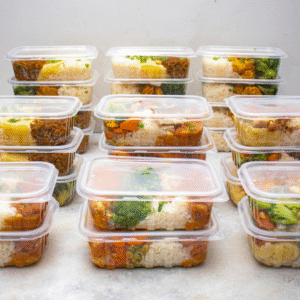
Don’t leave cooked food out for more than 2 hours. Store leftovers in shallow containers so they cool evenly, and refrigerate promptly. Eat refrigerated leftovers within 3–4 days, or freeze them for longer storage.
Keeping food at the right temperature helps prevent bacterial growth and spoilage.
5. Know the Signs of Food Poisoning
If you or a loved one experience nausea, vomiting, stomach cramps, or diarrhea after eating, it may be food poisoning.Most mild cases improve with rest and fluids, but sometimes medical care is needed.
Common causes include Salmonella, E. coli, and Listeria, which can cause serious illness — especially in children, older adults, or pregnant women. (Mayo Clinic)
Not feeling well after Thanksgiving dinner? Learn what VUC treats — including foodborne illness and other digestive issues.
6. When to Use Virtual Urgent Care
If you’re experiencing mild food poisoning symptoms and want peace of mind, VUC offers fast, convenient access to licensed providers from home — even during the holidays.
Providers can help assess your symptoms, recommend safe treatments, and guide you on when to seek in-person care if needed.
First time using telehealth? See how to prepare for your virtual visit.
️ The Takeaway
With a few simple precautions — and quick access to virtual care — you can enjoy a delicious, safe, and stress-free Thanksgiving.
So before carving the turkey, remember: clean hands, correct temps, quick storage, and VUC on standby just in case.
Stay healthy, stay thankful, and let VUC take care of you this holiday season.