High blood pressure can be easy to overlook—especially when you’re busy, feeling well, and focused on everything else on your to-do list.
The problem? High blood pressure often has no obvious symptoms. Over time, uncontrolled high blood pressure can increase your risk of heart disease, stroke, kidney problems, and other serious health conditions.
The good news is that your everyday habits can make a meaningful difference.
If you’re looking for natural ways to lower blood pressure, there are several evidence-based lifestyle changes that can help you improve your numbers and support your overall health.
And you don’t have to change everything overnight.
Small, consistent changes can add up.
❤️ What Is High Blood Pressure?
Blood pressure measures the force of blood pushing against the walls of your arteries as your heart pumps.
Your blood pressure reading has two numbers:
- Systolic pressure: the top number, measuring pressure when your heart beats
- Diastolic pressure: the bottom number, measuring pressure while your heart rests between beats
According to the American Heart Association’s current blood pressure categories, a normal reading is below 120/80 mm Hg, while consistent readings of 130/80 mm Hg or higher fall into the hypertension range. A healthcare professional should confirm a diagnosis of high blood pressure.
American Heart Association – Understanding Blood Pressure Readings
High blood pressure may not make you feel sick. That’s why knowing your numbers and having them checked regularly is so important.
🩺 1. Know Your Blood Pressure Numbers
One of the most important natural steps you can take is simply knowing your blood pressure.
If you have high blood pressure, your healthcare professional may recommend monitoring it at home.
A home blood pressure monitor can help you and your healthcare professional see patterns over time and determine whether your treatment plan is working.
The American Heart Association recommends an automatic, upper-arm cuff-style monitor for home monitoring.
American Heart Association – Home Blood Pressure Monitoring
Tips for more accurate readings
Before checking your blood pressure:
- Avoid exercise, smoking, and caffeine for about 30 minutes beforehand.
- Empty your bladder.
- Sit quietly for about five minutes.
- Keep your back supported and feet flat on the floor.
- Support your arm at heart level.
- Don’t talk during the measurement.
- Take readings consistently and keep a record.
Remember: one blood pressure reading is only a snapshot. Tracking readings over time can provide a much clearer picture.
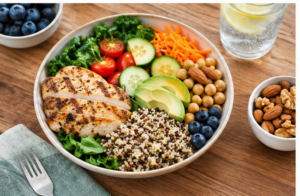
🥗 2. Follow a Heart-Healthy Eating Pattern
What you eat regularly can have a significant impact on your blood pressure.
One of the best-studied approaches is the DASH eating plan, which stands for Dietary Approaches to Stop Hypertension.
DASH emphasizes:
- Vegetables
- Fruits
- Whole grains
- Beans and legumes
- Nuts and seeds
- Low-fat or fat-free dairy
- Fish and lean poultry
- Healthy vegetable oils
It also limits foods high in saturated fat, added sugars, and sodium.
Research supported by the National Heart, Lung, and Blood Institute shows that the DASH eating plan can help lower blood pressure.
You don’t have to completely change your diet overnight.
Start by asking:
“What healthy food can I add today?”
Add an extra serving of vegetables. Choose fruit instead of a highly processed snack. Swap refined grains for whole grains. Add beans, nuts, or seeds to a meal.
Small choices become habits.
🧂 3. Cut Back on Sodium
If you’re trying to lower your blood pressure naturally, pay attention to sodium.
Too much sodium can contribute to higher blood pressure in many people.
The DASH eating plan recommends limiting sodium to 2,300 mg per day, with 1,500 mg per day lowering blood pressure even further for many people.
NHLBI – Living With the DASH Eating Plan
You don’t have to rely on bland food to eat less sodium.
Try:
- Reading nutrition labels
- Choosing lower-sodium versions of packaged foods
- Using herbs and spices instead of salt
- Choosing fresh or frozen vegetables more often
- Limiting processed meats
- Limiting salty snacks
- Watching sodium in sauces, soups, and condiments
- Cooking more meals at home
And here’s an important tip:
Don’t just look for foods that taste salty.
Many foods can contribute significant amounts of sodium without tasting extremely salty.
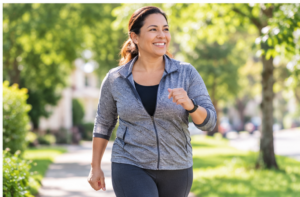
🚶 4. Move Your Body Regularly
Exercise isn’t just about weight loss.
Regular physical activity can help lower blood pressure, improve cardiovascular health, support mood, and help you maintain a healthier weight.
The American Heart Association recommends regular physical activity as part of a lifestyle approach to managing blood pressure.
American Heart Association – How to Manage High Blood Pressure
And you don’t necessarily need an expensive gym membership.
Try:
- Brisk walking
- Dancing
- Cycling
- Swimming
- Hiking
- Gardening
- Active household chores
- Strength training
If you’re busy, break movement into smaller pieces throughout your day.
Ten minutes here. Ten minutes there. Keep moving.
The goal isn’t perfection.
The goal is consistency.
⚖️ 5. Work Toward a Healthy Weight
If you are carrying excess weight, even modest weight loss can support healthier blood pressure.
The American Heart Association notes that even a small amount of weight loss can help reduce high blood pressure.
American Heart Association – How to Manage Blood Pressure
But this doesn’t mean you need to pursue extreme diets or rapid weight loss.
Instead, focus on sustainable habits:
- Eat more whole foods.
- Increase vegetables and fruit.
- Reduce highly processed foods.
- Drink more water.
- Move regularly.
- Get adequate sleep.
- Make changes you can maintain.
Health is a long-term journey—not a 30-day challenge.
😴 6. Prioritize Better Sleep
Sleep is another piece of the blood pressure puzzle that is easy to overlook.
Short or poor-quality sleep is associated with high blood pressure.
The American Heart Association recommends prioritizing healthy sleep as part of its approach to cardiovascular health.
American Heart Association – Life’s Essential 8: How to Manage Blood Pressure
If you’re constantly running on empty, try creating a more consistent sleep routine.
Consider:
- Going to bed and waking up around the same time.
- Limiting caffeine later in the day.
- Creating a relaxing bedtime routine.
- Reducing screen time before bed.
- Keeping your bedroom comfortable and quiet.
If you regularly have difficulty sleeping or suspect a condition such as sleep apnea, talk with primary care provider.
🧘 7. Find Healthy Ways to Manage Stress
Stress is part of life—but chronic stress can make healthy habits harder to maintain.
When you’re stressed, you may be more likely to:
- Eat highly processed foods
- Skip exercise
- Sleep poorly
- Drink more alcohol
- Smoke or use nicotine
- Forget medications or healthcare appointments
Finding healthy ways to manage stress can support your overall cardiovascular health.
Try:
- Deep breathing
- Meditation
- Prayer or quiet reflection
- Yoga
- Walking outdoors
- Listening to music
- Spending time with people you care about
- Taking short breaks during a busy day
You don’t need an hour of meditation to make a difference.
Even a few intentional minutes can give you an opportunity to pause and reset.
🍷 What About Alcohol?
If you drink alcohol, reducing your intake can help with blood pressure management.
The American Heart Association recommends limiting or avoiding alcohol as part of a heart-healthy lifestyle.
American Heart Association – Life’s Essential 8
If you don’t drink, there’s no reason to start for health benefits.
🚭 Don’t Ignore Nicotine
Smoking and other nicotine products can temporarily raise blood pressure and are harmful to cardiovascular health.
If you smoke or use nicotine products, quitting can be one of the most important steps you can take for your overall health.
American Heart Association – How to Manage High Blood Pressure
If quitting feels overwhelming, don’t try to change everything at once.
Talk with your primary care provider about resources that can help.
💊 Do Natural Approaches Replace Blood Pressure Medication?
Not necessarily.
Lifestyle changes are an important part of managing high blood pressure, but some people need medication in addition to lifestyle changes.
If you’ve been prescribed blood pressure medication, do not stop taking it or change the dose on your own—even if your home readings improve.
Your primary care provider can help determine whether your treatment plan should change.
The current American Heart Association/American College of Cardiology guideline recommends lifestyle changes for adults with elevated blood pressure and hypertension, while medication is recommended for certain people based on their blood pressure levels and cardiovascular risk.
American Heart Association – 2025 High Blood Pressure Guideline: Top Things to Know
Think of lifestyle changes as part of your treatment plan—not necessarily a replacement for medical treatment.
🚨 When Is High Blood Pressure an Emergency?
Most people with high blood pressure don’t have obvious symptoms. That’s why regular monitoring is so important.
If your blood pressure is higher than 180/120 mm Hg, wait at least one minute and take another reading.
If it remains that high, contact your primary care provide promptly.
If your blood pressure is higher than 180/120 mm Hg and you also have symptoms such as:
- Chest pain
- Shortness of breath
- Back pain
- Numbness
- Weakness
- Vision changes
- Difficulty speaking
Call 911.
These can be signs of a hypertensive emergency.
American Heart Association – When to Call 911 About High Blood Pressure
💻 How Can Virtual Urgent Care Help?
Managing your blood pressure is primarily an ongoing healthcare process, and people with hypertension should maintain appropriate primary care follow-up.
However, Virtual Urgent Care can be a convenient option when you can’t reach your doctor’s office for your high blood pressure medication refill.
VUC can also provide preventative health information to help you understand your health—not simply treat you when you’re sick.
Not sure whether your health concern is appropriate for virtual care? Explore the conditions we commonly evaluate through our What We Treat page.
🩺 How to Prepare for a Virtual Visit
If you’re scheduling a virtual visit and have been monitoring your blood pressure, have your recent readings available.
It can also help to have:
- Your current medications
- Recent blood pressure readings
- The dates and times of those readings
- Your symptoms and when they started
- Any recent medication changes
- Your questions or concerns
Want to get the most from your appointment? Learn what to have ready before your visit with our How to Prepare for a Virtual Visit guide.
🌱 Start With One Change
If you’re busy, trying to change everything at once can feel overwhelming.
Instead, choose one habit to start.
Maybe it’s:
This week: Drink more water.
Next week: Take a 20-minute walk.
Then: Start reading sodium labels.
Next: Add more vegetables to your meals.
The goal is to create habits that become part of your everyday life.
Your blood pressure doesn’t need to be managed perfectly overnight.
It needs to be managed consistently over time.
💙 How VUC Supports Preventative Care
At Virtual Urgent Care (VUC), we believe healthcare should be compassionate, preventative, convenient, and affordable.
Our goal isn’t simply to help you feel better when you’re sick.
It’s also about helping you understand your health, recognize concerns early, and make informed decisions about when and where to seek care.
VUC provides:
- Flat-fee virtual visits
- No insurance required
- Same-day appointments when available
- No waiting rooms
- No commute
- Clear communication
- Detailed discharge instructions
- Post-visit check-ins
- Preventative health information
- Convenient access to your visit information through the patient portal
VUC serves patients in Georgia, Florida, California, Texas, Minnesota, Michigan, Illinois, Indiana, Ohio, and Wisconsin.
📲 Book Your VUC Virtual Visit
Whether you’re sick, dealing with a new health concern, or simply trying to be more proactive about your health, VUC is here to provide convenient care from the comfort of home.
Book your VUC virtual visit today at myvirtualurgentcare.net.
🌿 The Bottom Line
There is no single magic trick for lowering blood pressure naturally.
Instead, think about the big picture:
🥗 Eat more heart-healthy foods.
🧂 Reduce sodium.
🚶 Move your body regularly.
⚖️ Work toward a healthy weight.
😴 Prioritize sleep.
🧘 Manage stress.
🍷 Limit or avoid alcohol.
🚭 Avoid nicotine.
🩺 Know and monitor your numbers.
And remember: natural doesn’t automatically mean safe or sufficient for everyone.
If you have high blood pressure, work with a healthcare professional to create a plan that’s right for you. Lifestyle changes can be powerful—but they should complement, not replace, appropriate medical care.
Know your numbers. Make small changes. Stay consistent. Protect your health.